
Ever wonder how malt is made? Or the work that goes into it? Or are you like me that sometimes forgets the bigger picture? You know what they say… “No Malt, No Beer!”
Malt is the backbone of beer. Providing the essential sugars that fuel fermentation and shape the flavor profile of our favorite brews. Without malt, there simply would be no beer. I hold the utmost respect for the maltsters and the dedicated farmers who cultivate the grains, and skillfully bringing this vital ingredient to life. Their hard work and passion are the foundation of every exceptional pint we enjoy.
“Our aim is to work with those who both appreciate tradition and embrace innovation.” Montana Craft Malt
I had the opportunity to chat with Montana Craft Malt and ask some questions that I think help open the bigger picture to the malting process, and some insight to the industry and the work that goes into it.
Located in Butte, Montana, Craft Malt embraces the region’s rich Western heritage and its longstanding connection to quality beer and whiskey. Once known as the “Richest Hill on Earth” during its mining heyday, Butte has evolved into a hub for craft brewing and distilling. The city’s industrial roots and its commitment to craftsmanship now extend to local breweries and distilleries, which rely on premium malts sourced from nearby farms. Craft Malt honors this legacy by producing top-tier malts that contribute to the unique flavors of Montana’s craft beverages, continuing the region’s tradition of excellence and innovation.
“Our people have big ideas and a bold vision to transform the craft malt business. We’re curious minds and tenacious problem-solvers, intent on doing good business with good people. Steeped in skills and experience, our team shares an unapologetic ambition to create and share the world’s best malts.” – Montana Craft Malt
Advertisements
Let’s get into the questions!
1. How do you select the grain varieties for malting? What characteristics do you prioritize?
We utilize over 10 different varieties of barley and 2 soft white wheat varieties. Our main focus is on the protein being lower than 12% for low extract and high FAN (Free Amino Nitrogen).
a. Specific varieties used for specific malts.
i. Tradtional European varieties:
1. Esma:
a. Has been great for all malts. It’s better in high extract and low enzyme package, which is ideal for malt brewing.
2. Steffi
a. To make Pilsner and Bavarian Pils
ii. Montana Grown varieties:
1. Buzz
a. Made from MSU Barley Breeding Program.
2. Endurance
a. Montana Grown
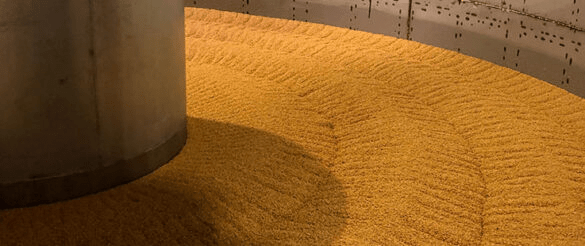
2. Can you walk me through your malting process from steeping to kilning, and how do you control your consistency?
A. Steep in
a. 1-2 day steep (2 immersions)
i. Goal moisture before steep in
1. 10% – 12%
ii. Goal moisture after steep in
1. 42% – 46%
2. Exterior wall of kernel is broken down to access the endosperm that needs to absorb water.
B. Germination
a. 4 days
i. We can germinate barley for as low as 3 days and as high as 6 days.
b. What’s really happening during germination?:
i. Breaking down the cell wall in order to access the proteins and starches to develop enzymes for the brewing process.
1. This is to ensure good outcomes for sugars in the wort.
2. Endosperm is where all the starches are locked up.
ii. Growth of acrospires is measured at 80% (no more than 110%) to guard us when the proteins and starches within the cell wall have been penetrated with hydration.
C. Kiln
a. Sealing the enzymes of the kernel through slow temperature increase.
b. The amount of time in and the temperature of the kiln inform flavor and color of the finished product.
3. How does the terroir (soil, climate, and growing conditions) of your grain influence the final malt flavor?
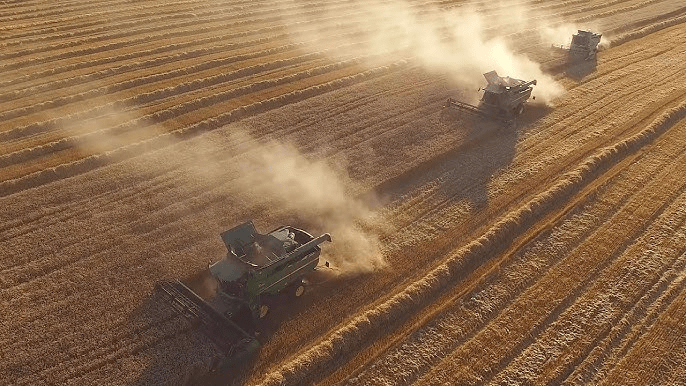
A. Dry land
a. Relying on mother nature for moisture
B. Irrigated (preferred method of growing crop)
a. Higher extract potential and lower protein – more water available
i. Plant can regulate its body temp during high heat, which gives it more energy to fill the kernel with starch
4. What differences can brewers expect between your malt and others when used in similar beer styles?
A. Higher yields
a. Means higher extract
B. Consistent high quality and excellent brew performance
C. Our Bavarian line will meet or exceed expectations of imported malts, but they cost less, are fresher, and less impact on the carbon footprint
5. Do you offer custom malts for brewers, and if so, what level of customization is available?
A. We have done various partnerships by malting for malt companies, such at Mountain Malt, LINC Foods, and Cold Stream Malt and Grain. Our aim is to work with those who both appreciate tradition and embrace innovation.
a. They tell us what they desire as a product and we malt it!
Brewery interested in custom malts? Contact them there.
6. Are there any experimental or heritage grains you are working on that you believe could be exciting for brewers?
A. Esma and Steffi!!
a. True heritage Bavarian varieties that offer both excellent taste and brew performance.
7. How do you ensure quality control at each stage of the malting process?
A. Incoming grain with low protein and high plump
a. bigger kernel size makes for lower protein and high extract
B. Temperature control
a. During all stages – steep, germ, and kiln.
C. We run a little cooler than most malt plans. Our Montana climate has cooler temperatures, so we have a slower process during germ – which makes for less bitter taste!
8. What parameters (e.g., moisture content, diastatic power) do you test for before shipping malt to brewers?
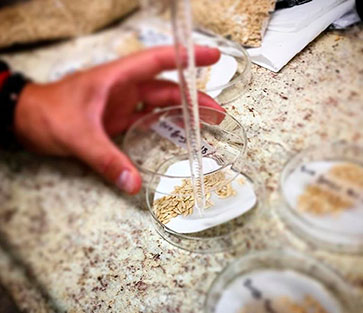
A. We send every single batch to be tested at MSU Malt Quality labs in Bozeman, MT.
a. To ensure the final results are to our expectations before the malting process is complete, we test the moisture, color, friability, and hydration.
i. Hydration is for the steep out – to see how well the endosperm has absorbed water.
9. What current trends in the brewing industry are influencing your malting operations or the development of new products?
A. Trends are more toward European lagers.
B. Hazy IPAs are the dominant beer on the market.
C. We’re keeping it more natural. We’re using a more German malting process. No enzymes, no bleaching.
a. There is a lot of enzyme used to speed up the process in other malting plants.
10. Are there any sustainability practices or initiatives you’ve implemented in your malting process?
A. We continue to seek ways to become a more sustainable supplier. We currently reuse water in our processing and we send our processing chaff and dust to be used in animal feed.
B. Most impactful, though, is the sheer fact that offer a domestic replacement for imported malts, specifically our Bavarian line. Instead of shipping containers across the ocean to get to US brewers, we offer true Bavarian malts that are grown here in the US. Less impact on carbon footprint.
by Jordan, Billy’s Tavern Homebrewing
Learn more about Montana Craft Malt and its innovation and impact in the industry.
The Mashout Boyz are thrilled to collaborate with Montana Craft Malt through the Mashout Magazine to deliver high-quality content to the brewing community. Through sharing recipes, brew day videos, and experimental projects, we aim to inspire innovation and creativity within the industry.
Watch Montana Craft Malt | Under The Big Sky
Discover more from MASHOUT MAGAZINE
Subscribe to get the latest posts sent to your email.
