
For a long time, homebrewers have been told that imported malt is the gold standard. If it’s not from Germany or the U.K., it’s not the “real thing.” You hear people say they only use Weyermann for lagers or Crisp for English ales. Those are great malts, no doubt, but it’s time we start giving American maltsters the same respect. The quality, consistency, and character of American malt today easily match the big European names.
When I started brewing, I thought imported malt was what serious brewers used. Most of the recipes I found online called for German Pilsner or Weyermann malt over everything, so that’s what I bought. But over time I started paying attention to what American maltsters were doing, and I realized I wanted to start using American malt.
There are small and mid-sized malt houses across the U.S. that are producing incredible malt. Many of them work directly with farmers, focus on freshness, and care deeply about flavor. They’re not trying to copy anyone. They’re creating something that stands on its own.
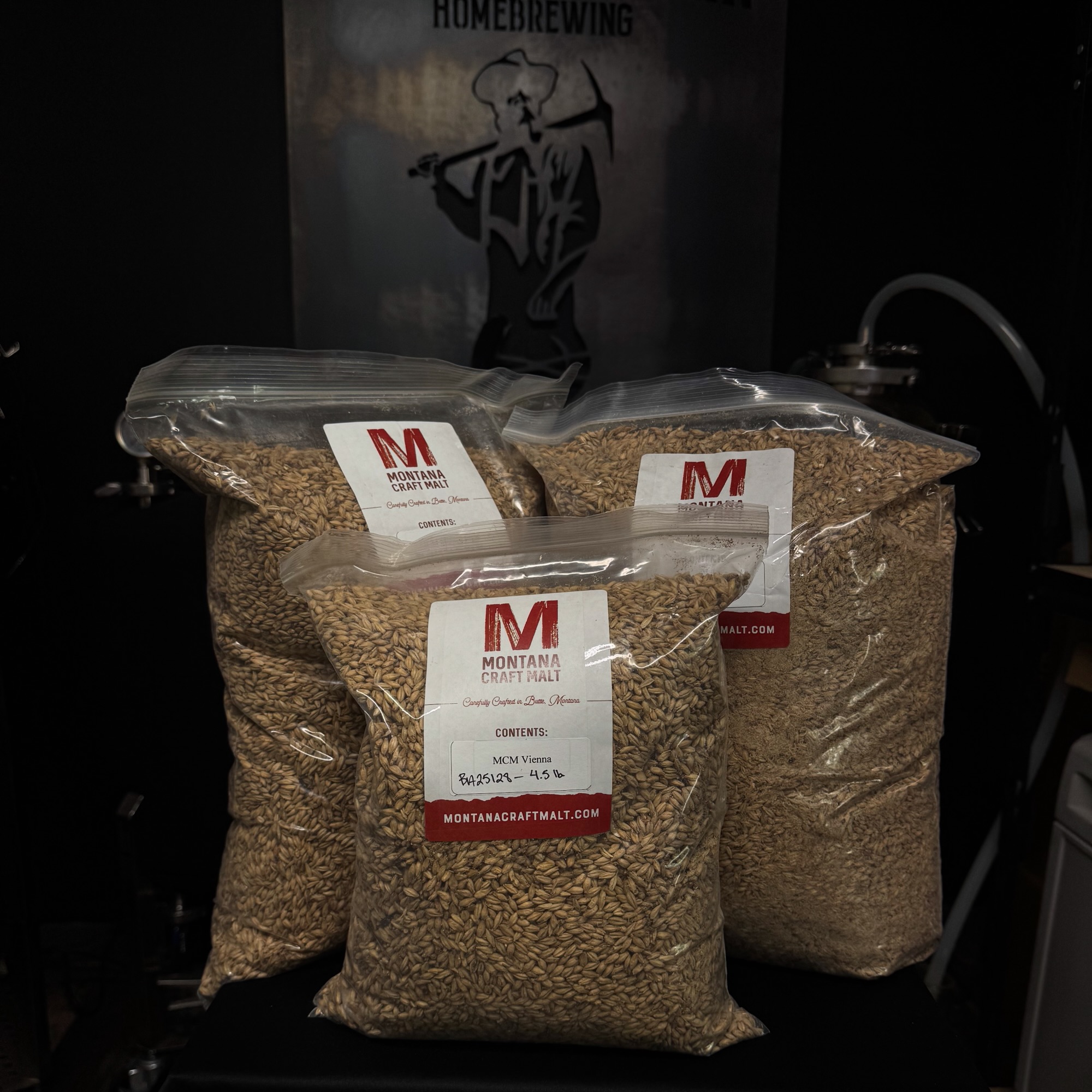
Thanks to Montana Craft Malt, I’ve seen firsthand what American malt can do. They work with local farmers across Montana who grow some of the best barley in the country, and the malt that comes out of their facility is fresh, consistent, and full of character. I’ve used their base malts in several lagers, and other styles, including ones that went on to win awards. The clarity, the clean grain flavor, and the balance in those beers showed me that American malt isn’t a second choice. It can produce world-class results.

Supporting American maltsters also means supporting local agriculture. Barley farmers here are experimenting with new varieties suited to our own climates, from the Pacific Northwest to the Great Plains to the Northeast. Those efforts keep barley growing in American soil, which helps sustain the crop and reduce our dependence on imports.
Another thing I love about American maltsters is how open they are about what they do. You can actually talk to the people who malt your grain. That kind of connection gives homebrewers a sense of trust and pride that you don’t get from a bag shipped halfway across the world.
This doesn’t mean imported malt doesn’t have its place. If you’re brewing a traditional Czech Pils or a classic English bitter, those grains still have value. But for most of what we brew, American malt is more than capable. It’s fresher, easier to source, and made by people who care about the same things we do.
As homebrewers, we talk a lot about supporting local breweries. It’s time we start thinking the same way about our ingredients. Buying American malt keeps money in our communities, strengthens small producers, and helps grow a more sustainable brewing future. It’s the same mindset that built the craft beer movement in the first place. Local, independent, and proud.
Next time you’re building a recipe, try swapping your usual base malt for one made here in the US. Brew your German lagers with an American grown Pilsner malt or your pale ale with a local 2-row. You might be surprised at how much flavor and character it brings to your beer.
Good beer doesn’t need to come from across the ocean. Some of the best malt in the world is being made right here by people who love the craft as much as we do. American malt is the real deal, and it deserves to be treated that way.
By Jordan V, Billy’s Tavern Homebrewing
Jordan is a California native. When he is not brewing he can be found drinking beer with friends, duck hunting, and getting lost in a good book or video game. When he is not out on an adventure with his wife, he can be found at home with his two lovable dogs. Stay up to date by following him on Instagram.


The Mashout Magazine wants to thank White Labs for partnering with us to not only be able to share information like this, content including recipes and experiments around their strains. They are also offering homebrewers 5% off homebrew pouches from them directly. You can use code “MashMag” for 5% off your order all year long!
Shop strains here

Check out some other great content!

A Place Between Seasons: Brewing with Kernza by Billy’s Tavern
After trying Pure Project’s Kernza lager and Deschutes’ Kernza lager, I’d been wanting to brew one myself for a while. This is a clean, crushable lager built around a grain most people have never heard of. I got the Kernza from a friend at work who started homebrewing. He hasn’t had the time to brew,…


Inside White Labs: Yeast Tour with Oil Creek Brewing!
Did you know White Labs has its own brewery along with its famed yeast propagation laboratory? White Labs is well known for its yeast. Since its early origins in California in 1995 but what you maybe didn’t know is that it has a very interesting approach to their brewery. I was fortunate enough to meet…

More Than Grain: Why Great Beer Starts with Montana’s Local Malt
In craft beer, people often talk about hops, yeast, and brewing techniques, but every great beer starts with malt. Over the last several years, Montana Craft Malt has built a reputation that goes beyond simply supplying grain. They have become a trusted partner for brewers who value quality, consistency, and a connection to where their…
Leave a Reply