This Content is Sponsored by

A huge part of what got me into homebrewing and brought my homebrewery, Dim Brewing Co., into fruition was discovering that there is a boundless list of unique beer-styles that exist outside the mass-produced beer.
My two go-to beers in college were 805, and Modelo. I’ve heard of the words “ale” and “lager” and it turned out that both were each of them respectively, but I couldn’t really tell the difference no figured out what the terms meant. I just knew that I enjoyed them and that they’re refreshing beers that hit the spot after a long day. Guinness, which I learned from a friend was called a “stout,” was the only out of the ordinary beer I knew. It had brownish to almost jet black color, coffee-like taste, and creamy texture no other beer had. I was aware of IPAs, but having Lagunitas IPA (that probably sat warm on a shelf before making it to a party) a couple of times and had deterred me from ever picking it up again; “Who would drink this? It’s so bitter and tastes plant-y and herbal?” I was later introduced to Big Wave. The packaging was island-themed and cool. It was light, smooth, refreshing, and reminded me of 805 but with nuanced fruity notes; it became my new favorite for a short while.
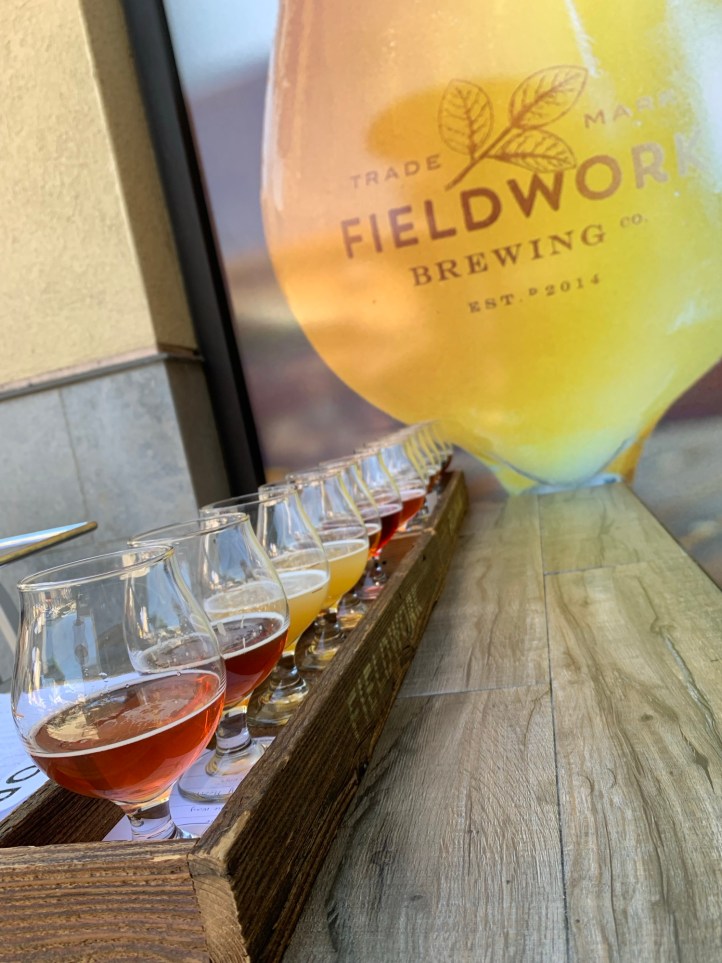
My whole world changed when I went to my first brewery and ordered my first flight of craft beer at Fieldwork Brewing Co. next to campus. It was the first time I encountered mesmerizing red-colored beer called a “sour,” an orange juice looking beer called a “hazy,” and a beer that I couldn’t even pronounce called a bière de garde. Each was uniquely tasty and enjoyable. After that day I looked forward going to Fieldwork. Not just top drink beer, but to discover more styles. Shortly after daydreaming about Fieldwork in the classroom and planning for the summer, the idea of making my own beer was born; but we will save that story for a separate article.
Fast-forward a little over a couple years of homebrewing, I am an official BJCP (Beer Judge Certification Program) beer judge. I know it can sound some what pretentious to be considered a “beer judge,” but it’s far from that. I don’t start scoffing at the macro-beers like Modelo and 805 now that I have this fancy judge pin. For those unaware, the BJCP is an organization who has put together a set of guidelines that outline classic, modern, and historical beers across regions of the world (the boundless list I mentioned in the beginning). The BJCP Style Guidelines are well-respected by craft breweries and homebrewer and are used as a reference point for designing and brewing basically every kind of beer. Studying the guidelines in preparation for the exams to become a judge, I learned more abut the styles of beer that are out there that no one really knows or talks about whether that be because of region or time in history. I learned of British beers: various versions of Bitters and Dark Mild; Trappist beers brewed by Belgian monks: Belgian Dubbel and Tripel; German Kölsch’s archnemesis: another German hybrid-ale called Düsseldorf Altbier; American beers lost due to Prohibition: Kentucky Common.
I would try to hunt them down at breweries to get familiar, but most of the time I couldn’t find them for the same reasons I just mentioned (one of the many reasons why we homebrew). I signed up for the BJCP course that met over 9 weeks that helped to prepare for the tasting exam, which score dictates pass/fail and judging rank (more on this in another article). I can confidently say that preparing for the BJCP exam, taking the exam, and judging in my first BJCP santioned competion has deepened my appreciation and understanding for each style and has given me a new foundation of knowledge, sensory and analysis skill set to implement into my endeavors into brewing new styles.
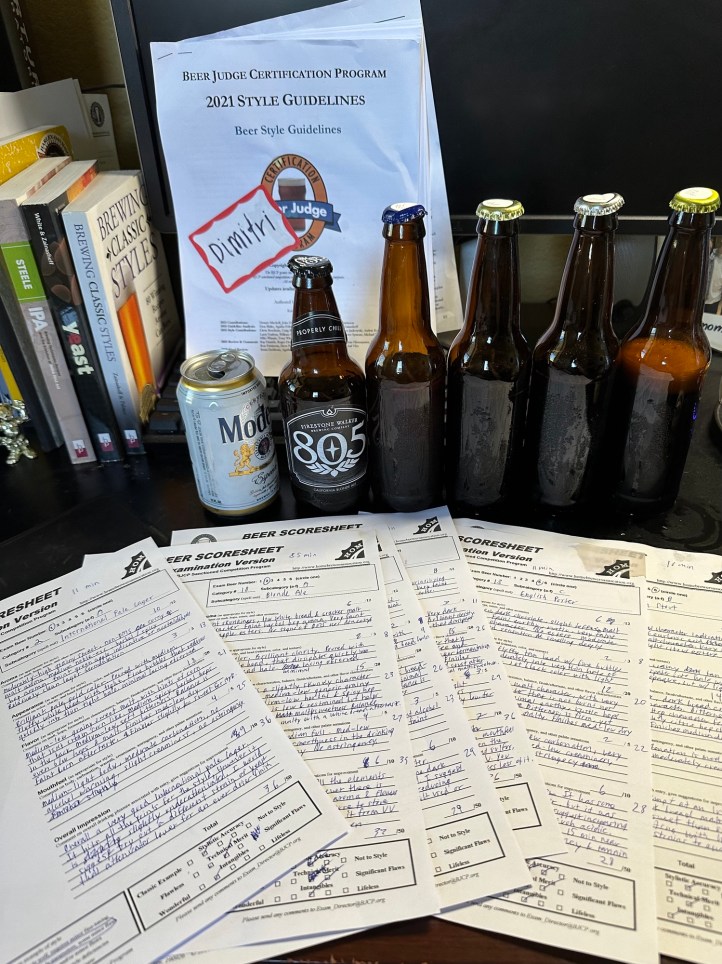
For the same reason I got into drinking craft beer and homebrewing, I had and still have an eagerness to deepen my knowledge on the gamut of beer styles. Their flavors, history, and nuance. It turns out the whole process of becoming a BJCP beer judge was more systematic, rigorous, and academic version of what I was already doing at Fieldwork. I was uncovering and understanding new beer styles through the guidelines vicariously and encounters at competitions. These discoveries I made through my journey of becoming a BJCP judge are what inspire me even more to brew new, obscure, and inaccessible styles and their unique tastes and history into my own homebrewing.
Future articles on the topic of BJCP will be posted as a series. Prost!
By Dimitri, Dim Brewing Co
Stay up to date with Dim by following him on Instagram.
Discover more from MASHOUT MAGAZINE
Subscribe to get the latest posts sent to your email.
