
For the longest time, I thought Oktoberfest was simply a single beer style. Order one at a bar or brewery in the fall, and you would expect the same amber lager every time. As I learned after getting into homebrewing, I discovered that Oktoberfest is not just one beer. It is a festival, a tradition, and a collection of styles that have evolved over centuries.
To dive into a little history before we get into the styles.. The first Oktoberfest was held in Munich in 1810 to celebrate the marriage of Crown Prince Ludwig, who later became King Ludwig I, to Princess Therese of Saxe-Hildburghausen. The citizens of Munich were invited to a grand festival, and beer was naturally at the center of it all. Over the years, Oktoberfest grew into the world’s largest beer celebration, and the beers brewed for it changed right alongside the festival.
Before we get too far into the styles, I want to briefly talk about the history. The first Oktoberfest was held in Munich in 1810 to celebrate the marriage of Crown Prince Ludwig, who later became King Ludwig I, to Princess Therese of Saxe-Hildburghausen. The citizens of Munich were invited to a grand festival, and beer was naturally at the center of it all. Over the years, Oktoberfest grew into the world’s largest beer celebration, and the beers brewed for it changed right alongside the festival.
As we dive into these styles of what you could find yourself drinking at an Oktoberfest or during the fall season, I have to say that I love them all equally. I am very partial to a nice cold pint of Märzen though.
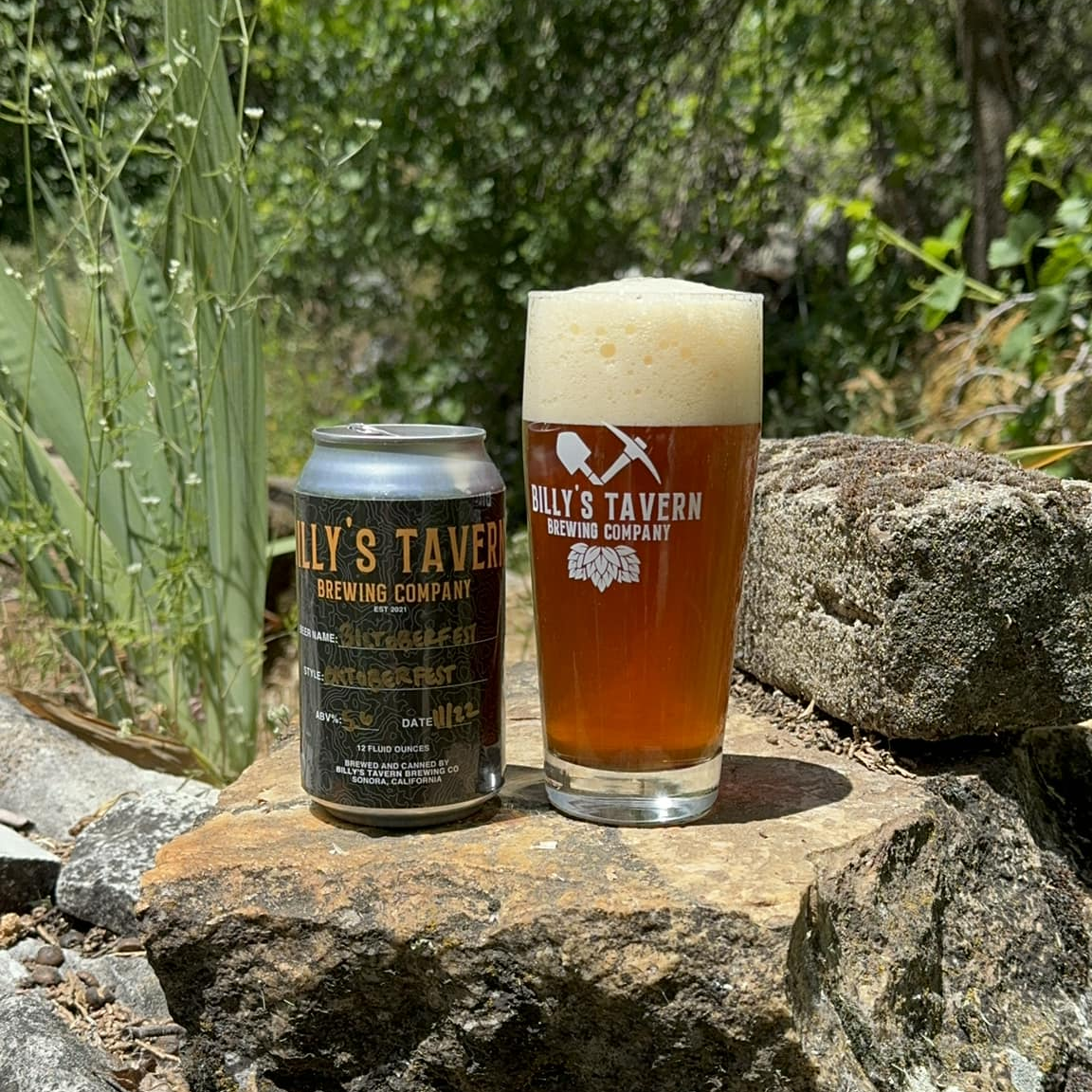
For much of the nineteenth century, the beer of Oktoberfest was Märzen. If you didn’t know, it means March. The simple reasoning is because they were brewed in March. Now that we got that out of the way lets continue. Refrigeration didn’t exist, brewers made these stronger lagers in the spring and stored them in cool caves through the summer. When the fall arrived, the beer had matured into a smooth, malty lager that was perfectly timed for Oktoberfest. Märzen is deep amber to copper in color and carries flavors that remind drinkers of toasted bread and caramel, with a medium body and a clean finish. While it is no longer the dominant beer in Munich, Märzen has remained alive and well abroad, particularly in the United States, where craft breweries love brewing it as their autumn seasonal. Stay tuned for a double-decocted Märzen recipe.
By the 1970s Oktoberfest had shifted. People wanted a beer they could drink by the liter without feeling weighed down, and Märzen, as flavorful as it was, proved too heavy for long days in the beer tents. Munich breweries answered with Festbier, a lighter golden lager that is now the official beer of the festival. Festbier still emphasizes malt character, but in a softer, breadier way. It is golden in color, gently sweet, balanced with a touch of bitterness, and finishes crisp. Today, if you raise a stein in Munich during Oktoberfest, Festbier is what you’ll be drinking.
There’s also Vienna Lager, a close relative to Märzen that deserves mention. Created in Austria in the mid-1800s, it pours amber to reddish copper and offers a toasty, slightly nutty malt backbone with a drier finish than Märzen. Though it isn’t officially part of Oktoberfest, it almost like a cousin to the styles.. The beer found unexpected success in Mexico when Austrian brewers brought it over in the nineteenth century, and brands like Negra Modelo are still just as popular. Festbier Recipe coming soon!
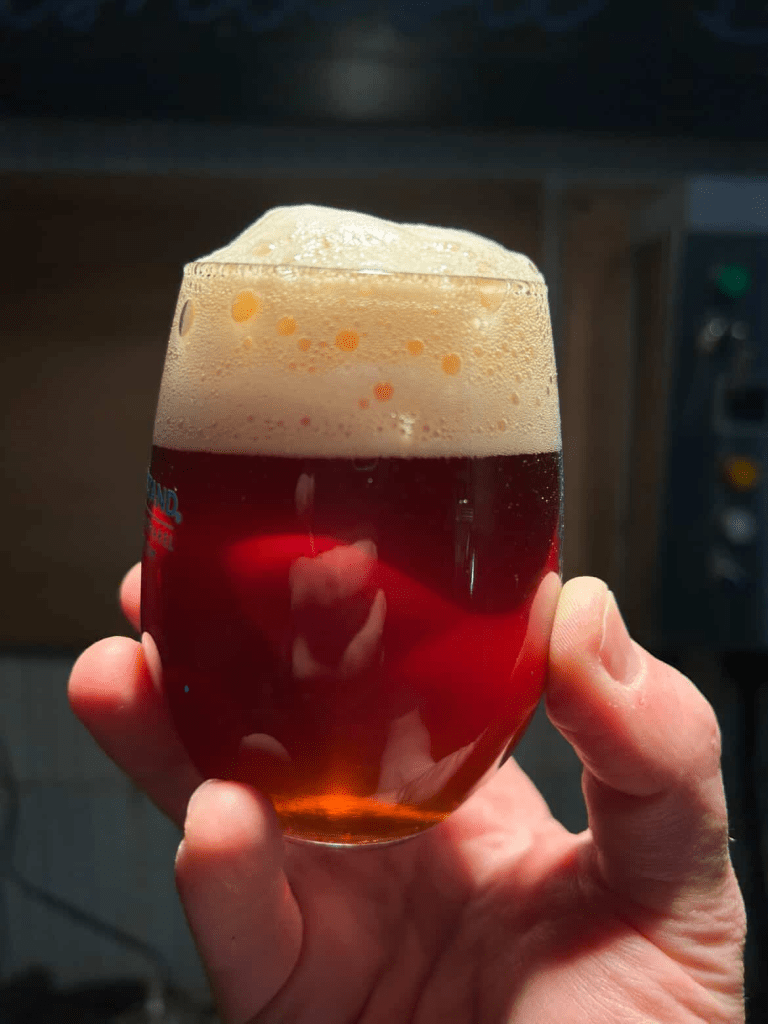
In the United States, Oktoberfest has taken on its own personality. Most American breweries leaned into Märzen as the style of choice, making it the hallmark fall seasonal. In recent years, though, it seems that many brewers have begun offering both options, producing Märzen for its traditional character and Festbier for its authenticity to Munich. I do personally love both. Sierra Nevada makes a great Festbier. Dust Bowl Brewing makes an excellent Märzen, and Firestone Walker makes an excellent Oak Aged Lager for Oktoberfest.
So what exactly is an Oktoberfest beer? In Munich, it’s the golden Festbier. In America, it’s often Märzen. In some bars and breweries, you might find Märzen, Festbier, and Vienna Lager side by side. What unites them is not a recipe but a spirit of community, tradition, and celebration. Oktoberfest is about more than the beer in your glass. It’s about raising that glass with friends, honoring the history behind it, and enjoying the season, and saying no to Pumpkin beers.
By Jordan V, Billy’s Tavern Homebrewing
Jordan is a California native. When he is not brewing he can be found drinking beer with friends, duck hunting, and getting lost in a good book or video game. When he is not out on an adventure with his wife, he can be found at home with his two lovable dogs. Stay up to date by following him on Instagram.


The Mashout Magazine wants to thank White Labs for partnering with us! They are also offering homebrewers 5% off homebrew pouches from them directly. You can use code “MashMag” for 5% off your order all year long!
Shop strains here

Check out some other great content!

Crafting an Organic American Lager: A Sustainable Approach That Paid Off with Billy’s Tavern
As someone who is pretty much lager-focused in my brewing, I don’t usually spend much time thinking about American Lagers. That changed after a trip to San Diego. I tried the Kernza Lager from Pure Project and walked away wanting to brew my own take on a sustainable lager built around organic ingredients. Kernza is…

Brew a Heavily Saturated Hazy IPA with Mishicott Brewing
There is always a special kind of beauty in brewing a big hoppy IPA at home. It is the fun of building a recipe that pushes flavor to its limit and the satisfaction of watching it come together in the glass. Pheonix is one of those beers that reminds you why the process matters. It…

From Field to Fermentor: Believing in American Malt
For a long time, homebrewers have been told that imported malt is the gold standard. If it’s not from Germany or the U.K., it’s not the “real thing.” You hear people say they only use Weyermann for lagers or Crisp for English ales. Those are great malts, no doubt, but it’s time we start giving…
Discover more from MASHOUT MAGAZINE
Subscribe to get the latest posts sent to your email.
