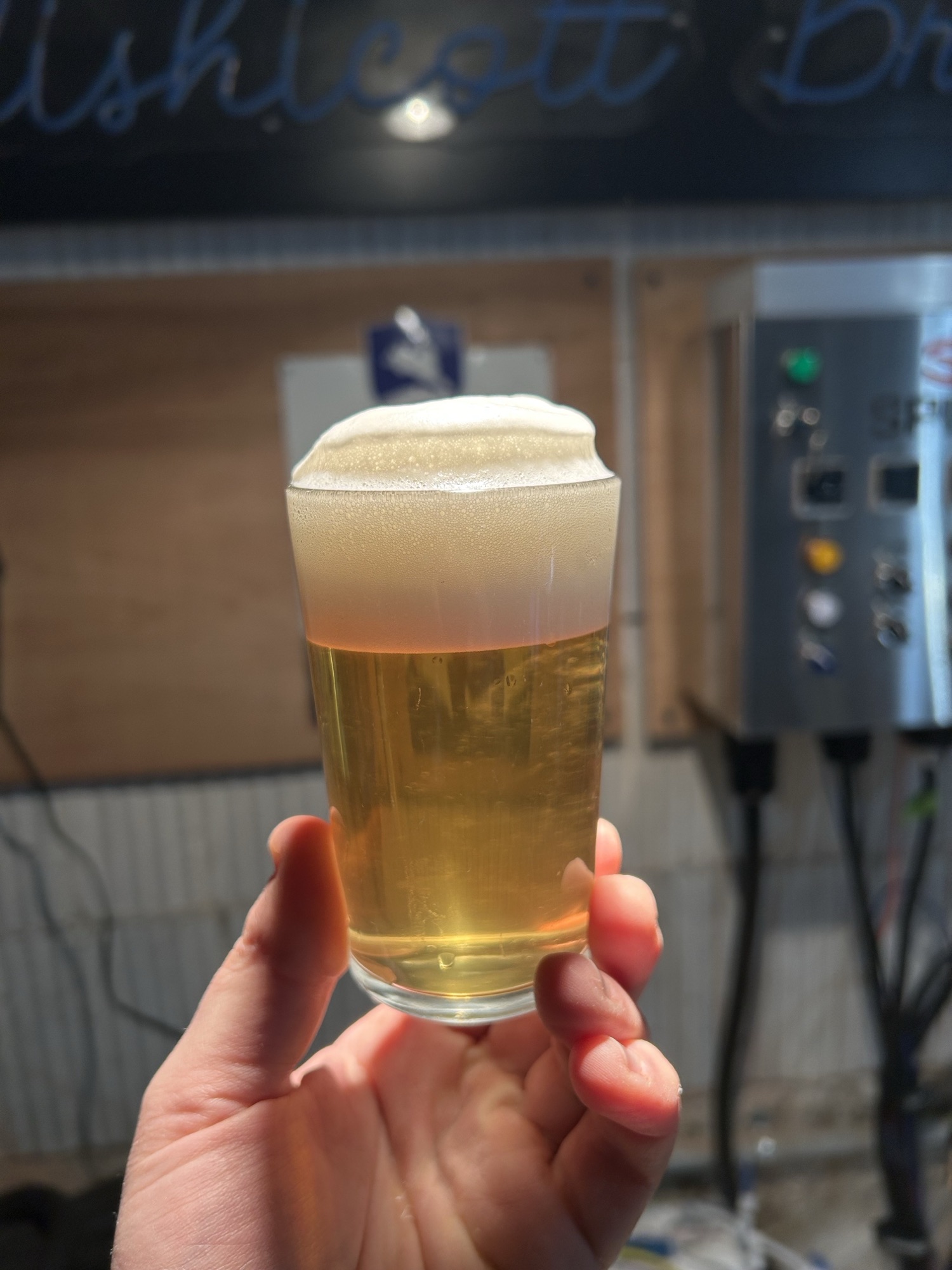

Because patience is overrated
For years, brewers have been told that lagers demand cold temperatures, long timelines, and a level of discipline that borders on obsession. Keep it in the 40s or low 50s, give it weeks to ferment, then let it sit even longer to “clean up.” That has always been the rule.
But what if that rule is just slowing you down?
Let’s talk about brewing a lager at 85°F.
The idea
Lager yeast is traditionally used cold because it produces a cleaner profile with fewer esters and less sulfur. That is the textbook answer. The alternative approach is to turn that idea on its head and let the yeast run warm.
At 85°F, fermentation moves fast. Really fast. Yeast activity ramps up, attenuation happens quickly, and what usually takes weeks can wrap up in a couple of days. Some brewers claim they are hitting final gravity in under 48 hours, which is either impressive or slightly concerning depending on your perspective.
Yeast approach
Any standard lager strain will technically work here, but the key is to avoid making things too easy on it. Pitching dry yeast straight into warm wort gets things moving immediately. Skipping rehydration helps keep things unpredictable, which is part of the experience.
The yeast may not love it, but it will definitely respond.
What it tastes like
This is where things get interesting. Instead of the clean, crisp profile you expect from a lager, you get something much more expressive.
Fruit character shows up where it normally would not. You might pick up spice notes that have no business being there. There is often a strong fermentation character that is hard to describe but impossible to ignore.
If sulfur is present, just consider it part of the complexity.
Process notes
Temperature control is not necessary. In fact, it is better if you do not overthink it. Let it ride at ambient conditions and see what happens.
Oxygenation is optional. The yeast will do what it needs to do.
If you want to push things further, try dry hopping during active fermentation and let everything interact in real time.
Packaging can start as soon as fermentation appears to be finished or whenever you feel like checking the gravity is no longer exciting.
Final thoughts
Is this traditional? Not even close.
Is it technically correct? Also no.
Will it make a lager? That depends on how flexible you are with definitions.
What it will do is give you beer quickly, and sometimes that is the only goal that matters.
If nothing else, it is a great reminder that rules in brewing are often just habits that stuck around a little too long.
April Fools… from the Mashout Boyz! 🙂
To actually learn how to make great lager, check these articles out!
Importance of Proper Pitch Rates
Award Winning German Pilsner Recipe
Award Winning Czech Pale Premium Lager Recipe
Amber Lager Recipe

Leave a Reply